 by
by To be honest, my choice of hotels on Jeju Island was initially quite casual; I didn’t deliberately seek out “viral” hotels or high-end resorts. However, after actually staying in them, I realized that a hotel on Jeju isn’t just a place to sleep—it almost directly determines which “version” of Jeju Island you experience each day.
On the same island, your choice of location can completely transform the travel experience: some spots serve as urban gateways, others offer coastal scenery, some are nestled in local neighborhoods, and a few even sit on the edge of the wild.
I stayed at five hotels in different areas, and each one felt like shifting into a different rhythm.
I. A Business Hotel in Jeju City: Entering the “First Layer of Reality” on Jeju Island
For the first hotel, I chose a typical business hotel in downtown Jeju City.
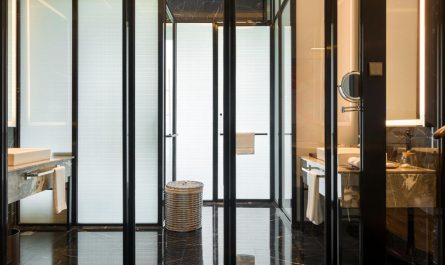
The overall experience was highly standardized: the room wasn’t large, but it was spotless, well-laid out, and fully functional. The bed, desk, and bathroom featured practical, no-frills designs without superfluous decoration.
The greatest advantages of this type of hotel are consistency and convenience. Getting to Yongduam Rock, Dongmun Market, and the airport is quick and easy, requiring little complex planning.
But the psychological aspect was even more significant.
When you first arrive on Jeju, you haven’t quite left your “urban mindset” behind; staying in a downtown hotel provides a buffer period. It isn’t particularly noisy outside, yet it isn’t completely silent either—it occupies a state somewhere between the city and the island.
That night felt like a gateway into Jeju Island.
II. A Seaside Resort Hotel: Truly Feeling the “Presence of the Island” for the First Time
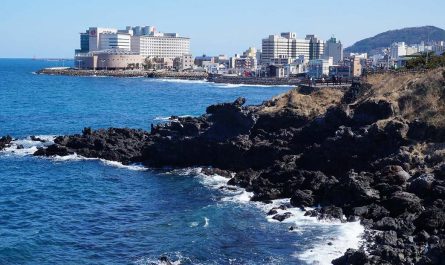
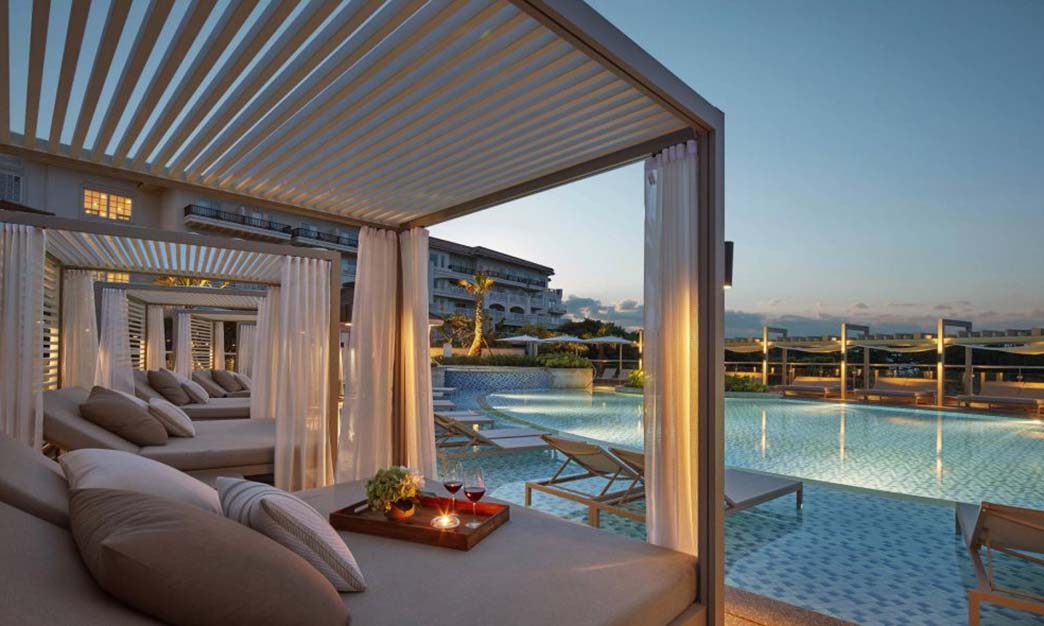
For the second hotel, I moved to a coastal area—a classic seaside resort hotel.
The biggest difference compared to the downtown hotel wasn’t just the sea view; the entire atmosphere of the space had shifted.
The room felt more spacious, the windows were larger, the lighting was softer, and the air even felt a bit more humid.
The most noticeable change was the sound.
At night, the city noise was replaced by the constant sound of crashing waves. It wasn’t a sound that came and went; it was an ever-present backdrop.
I didn’t do anything special that night; I simply sat by the window and watched the sea. You can distinctly feel time slowing down—not because you are deliberately pacing yourself, but because the environment itself doesn’t demand speed.
This stop made me realize for the first time that Jeju Island is a place where nature comes first.
III. Seogwipo Hotel: Transitioning from Tourist Zones to Residential Areas
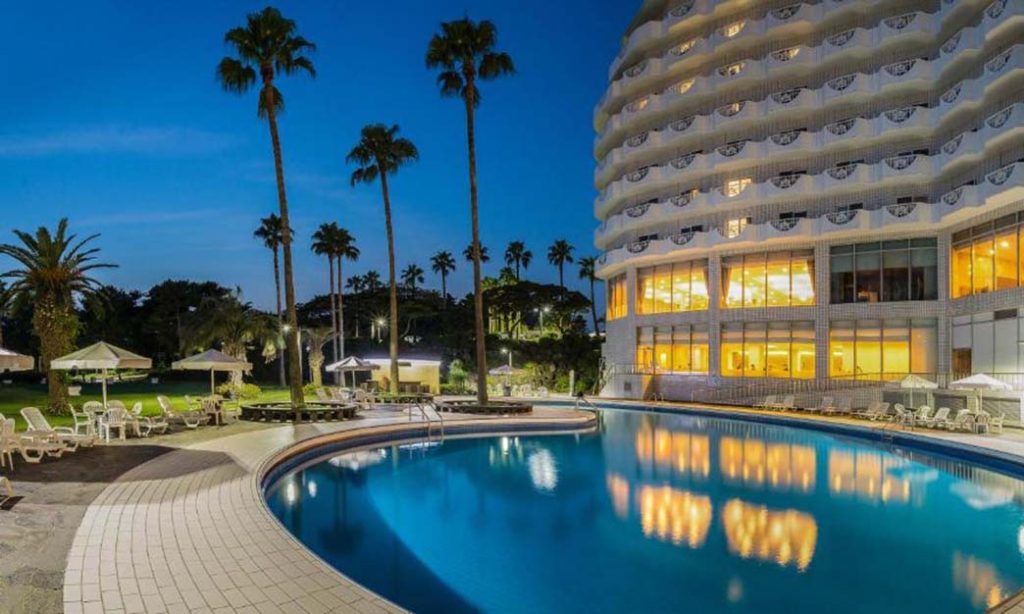
For my third hotel, I stayed in Seogwipo.
It is completely different from downtown Jeju City; the pace is noticeably slower, and there are fewer people.
The hotel itself isn’t luxurious, but it is comfortable—geared more toward everyday living than business or resort-style stays.
The most obvious change was the fading “tourist vibe.”
The area features small lanes, residential neighborhoods, and natural coastline; you can see the sea or mountains without having to make a special trip to a tourist attraction.
One afternoon, I stepped out of the hotel without a destination, simply strolling along the streets. I encountered the rhythms of local life rather than the typical routes taken by tourists.
That night made me realize that Jeju Island isn’t just a collection of tourist attractions, but a living space with distinct zones.
IV. Aewol Coastal Hotel: Coffee, Sea Breezes, and a Place to Linger
My fourth hotel was near the Aewol coast—a small, boutique-style property with a strong design aesthetic.
The area has a distinct character: a high density of coffee shops, an open coastline, and a very relaxed pace.
The hotel itself features striking design elements, with large glass windows that allow plenty of natural light to flood the rooms.
Stepping out of the hotel puts you right on the coastal walking path and amidst the coffee shop district.
I didn’t venture far that night; I simply walked by the sea, sat in a café for a while, and returned to the hotel.
The focus of this experience wasn’t on moving from place to place, but on lingering.
The sound of waves and wind, the coffee, and the light all layered together, transforming the area into a seamless, immersive space.
This stop gave me the impression that some hotels on Jeju Island are actually part of the scenery itself.
V. Guesthouse near Udo Island: A Night Closest to Nature’s Edge
For my final night, I chose a guesthouse near Udo Island.
This area feels distinctly removed from Jeju Island’s typical urban layout. As you head toward Udo, the roads become simpler, building density drops, and commercial facilities gradually become scarce. You can intuitively sense a transition away from the typical tourist zone, giving way to a setting where nature and the countryside blend in their purest forms.
The guesthouse itself is unpretentious; it lacks elaborate design or any contrived attempt to manufacture a “resort atmosphere.” Instead, it feels like a small space seamlessly embedded in the local landscape—featuring white walls, a simple room layout, and basic yet clean amenities. There is no superfluous decoration; everything is designed with practicality in mind.
Yet, it is precisely this absence of excessive design that allows the surrounding environment to truly stand out.
The evening was the most memorable part of the stay.
Once the city lights faded completely, there was virtually no man-made noise—no traffic, no shop loudspeakers, and no sounds of passing tourists. There was only the wind sweeping across the open expanse and the low-frequency resonance of distant waves.
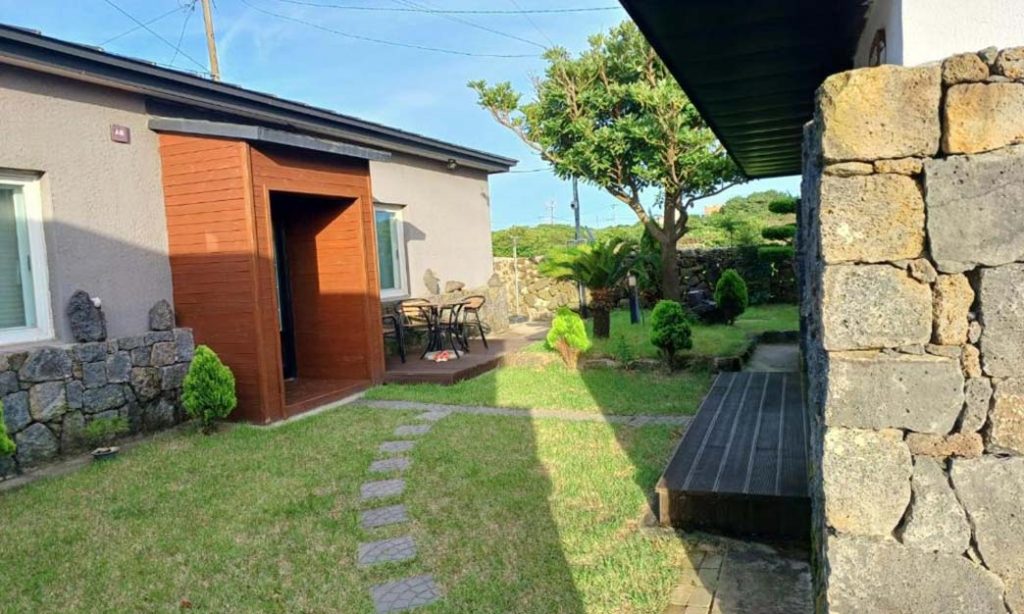
This sound was not mere “background music,” but a constant, natural rhythm that made it easy to slip into a state of relaxed yet clear-headed awareness.
I did almost nothing that night other than turning in early. The room was so quiet that I could almost perceive the flow of time slowing down.
When I woke up the next morning, the view outside the window was simple: an open sky, a scattering of low-rise houses, and the natural contours of the landscape in the distance. There were no high-rises, no dense road networks, and no sense of the landscape being fragmented by urban infrastructure.
As the sunlight streamed in, I didn’t feel like I was staying at a resort on a tourist island; rather, it felt like briefly stepping into a way of life that exists right on the edge of the natural world.
A hotel is not just a place to stay; it is a way to understand a city
This trip to Jeju Island left me with a distinct realization: a hotel is not merely an accommodation choice—it actually shapes how you perceive the island itself.
For me, the most significant takeaway was this: where you choose to stay determines the version of the world you see. Jeju Island is the perfect example of a place where your experience is defined by where you choose to pause and settle.