 by
by To be honest, before visiting Koh Samui, I didn’t have particularly high expectations for its food scene. I imagined the usual Thai staples—Tom Yum Goong, curry, and seafood—alongside the typical resort-style meals found at seaside restaurants.
However, upon arrival, I discovered that Koh Samui’s cuisine isn’t about “complex gastronomy”; rather, it offers a quintessential “environment-driven dining experience.” The flavors themselves aren’t intricate, but they feel complete when harmonized with the sea breeze, the temperature, and the setting.
Here, the food feels like an integral part of the travel rhythm rather than a standalone attraction.
I. Dining at Chaweng Beach: The Quintessential Island Dining Experience
My first proper meal on Koh Samui was near Chaweng Beach.
The area is packed with restaurants, ranging from humble street-side stalls to beachfront eateries. The defining characteristic here is the abundance of choice paired with a laid-back, unhurried pace.
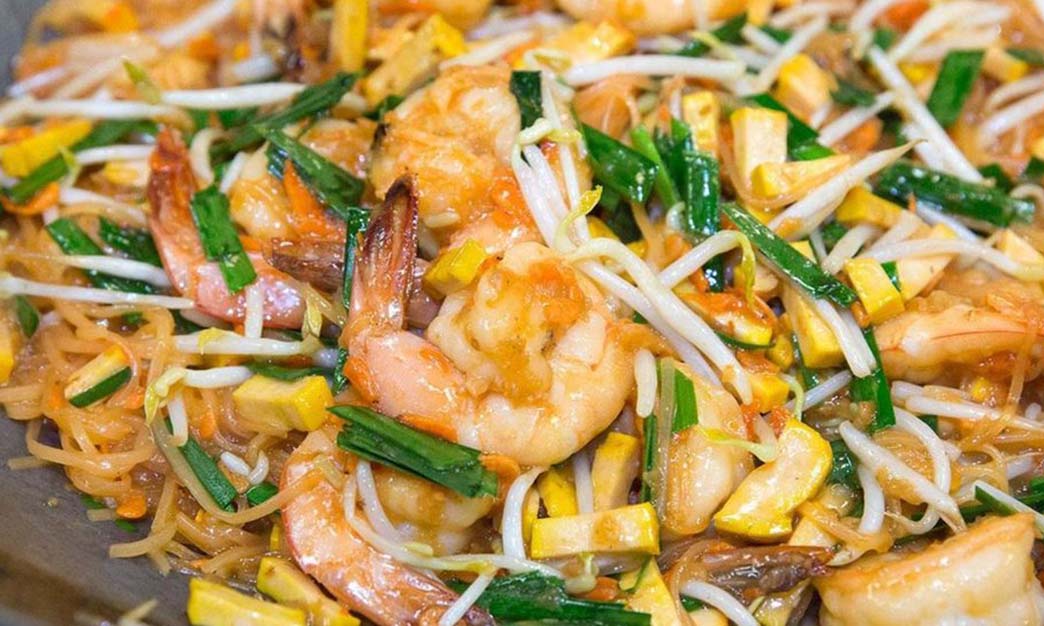
I chose a seaside restaurant and ordered the classic Pad Thai and a seafood platter.
What stood out most wasn’t just the taste, but the atmosphere.
As I ate, I watched waves lapping against the sand nearby; the breeze was warm yet pleasant, and the lighting gradually shifted from daylight to the glow of evening.
The Pad Thai itself was consistently good—featuring a distinct balance of sweet, salty, and sour notes—but what truly made the meal special was the seaside setting.
This experience made me realize for the first time: on Koh Samui, the essence of the meal lies not in what you eat, but in where you eat it.
II. Tom Yum Goong: The Reliable Flavor of Koh Samui
Tom Yum Goong is a staple dish found in almost every restaurant on Koh Samui.
I tried it at several different places and found the quality to be consistently high, though the nuances varied.
The broth is hot and sour without being overpowering, with the flavors of lemongrass, kaffir lime leaves, and chili shining through clearly.
Seafood versions usually feature shrimp or squid, offering a flavor profile that is clean and straightforward rather than complex. I had one meal at a small eatery near Lamai Beach; the bowl of Tom Yum Goong served there wasn’t fancy, but it was incredibly smooth and pleasant to the palate.
After finishing it, I had a distinct sensation: my body felt “awakened,” yet not jolted or overwhelmed.
III. Mango Sticky Rice: The simplest yet most consistently satisfying dessert
Mango sticky rice was one of the desserts I ate most frequently on Koh Samui.
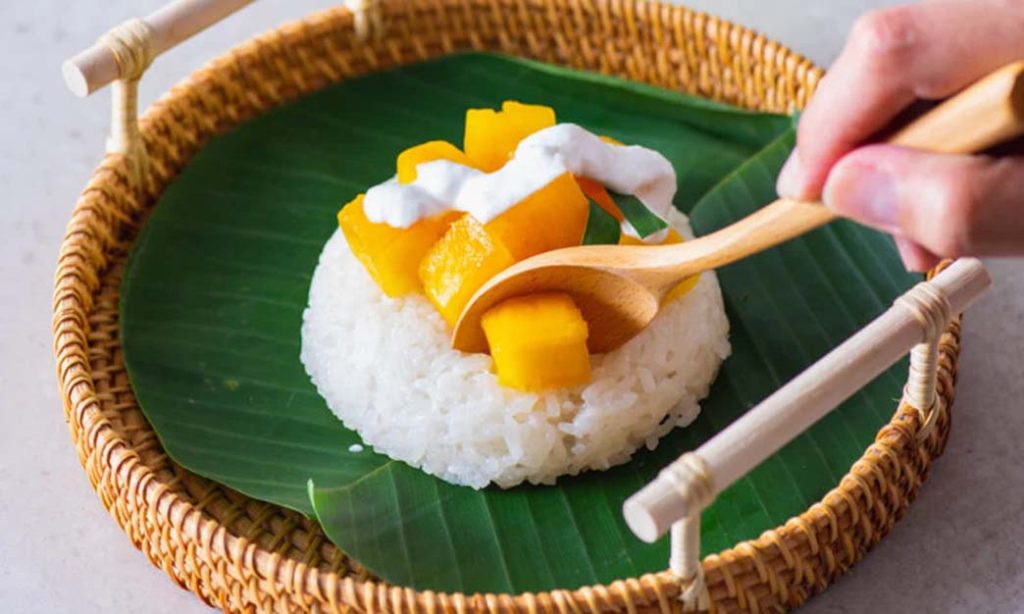
You can find it at almost every restaurant, night market, and street stall.
The combination is simple: ripe mango, sticky rice, and coconut milk.
Yet, in the tropical setting, this combination offers a consistently delightful experience.
One particularly memorable instance was when I bought some while taking an evening stroll through Fisherman’s Village.
I sat on a roadside bench to eat it, surrounded by the gentle flow of the crowd and the ambient lights.
The flavor profile wasn’t complex, but in that setting, the dessert felt perfectly “complete.”
It isn’t the kind of dessert that wows you with novelty; rather, it is a dessert that fits the environment perfectly.
IV. Seafood Restaurant Experience: From “endless choices” to “simple dining”
There are countless seafood restaurants on Koh Samui, especially in the coastal areas.
Many restaurants display their seafood, allowing you to make your selection on the spot and have it cooked right there.
I tried a fairly typical seafood meal: grilled fish, grilled shrimp, stir-fried shellfish, and some simple greens.
The flavors were straightforward but consistently good.
The grilled fish was the highlight—usually a whole fish, either charcoal-grilled or pan-seared, resulting in slightly crispy skin while the meat inside remained moist.
The seasoning was light, allowing the natural flavor of the seafood to shine through.
The impression I got from this meal was that the seafood on Koh Samui isn’t so much “elaborate cuisine” as it is “straightforward preparation of fresh ingredients.”
V. Fisherman’s Village Night Market: A blend of dining and strolling
Fisherman’s Village was one of my favorite areas on Koh Samui.
A night market takes place there in the evenings, offering a wide range of food options—from Thai snacks to grilled seafood.
My approach to eating there was more about “grazing” as I walked.
For instance, I might walk a short distance to buy a skewer, then walk a bit further to grab a drink. The food wasn’t concentrated into a single formal meal but was instead spread out over the course of the evening.
This perfectly matched the rhythm of Koh Samui: dining is fluid rather than fixed.
VI. Street Food: The Closest Connection to the Local Rhythm
Beyond restaurants and night markets, I also sampled some street food.
Items like fried bananas, coconut ice cream, and simple Thai fried rice.
What these foods had in common was that they were quick to prepare, straightforward in flavor, and free of elaborate packaging.
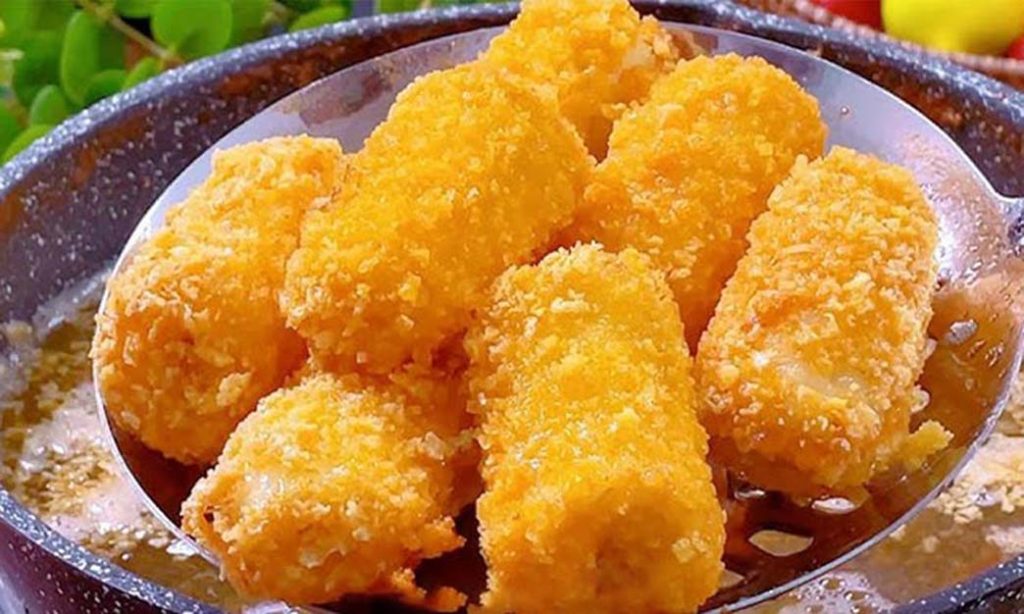
Sometimes, I’d simply pick something up by the roadside and eat it while walking.
This aspect allowed me to see a more everyday side of Koh Samui, beyond the “vacation filter.”
VII. Seaside Coffee and Drinks: Part of the Rhythm, Not Just “Having a Drink”
There are plenty of coffee shops on Koh Samui, especially along the coast.
I spent time at seaside cafes in both Chaweng and Lamai.
Ordering an iced coffee or fruit juice and sitting by the sea—watching the passing crowds and the waves—became more than just “having a drink”; it was a way of simply lingering.
The drinks themselves weren’t complex, yet they blended naturally with the surroundings.
This is particularly evident on Koh Samui: food, drink, and space are inextricably linked.
Koh Samui’s Cuisine Is About “Atmosphere,” Not Complexity
Reflecting on my culinary experiences on Koh Samui, my biggest takeaway is that the food here doesn’t rely on complex techniques or exquisite plating; instead, it relies on the “setting” in which it is enjoyed.
All these elements combine to form the culinary landscape of Koh Samui. For me, the most significant realization of the trip was this: on Koh Samui, food isn’t merely something to be consumed—it is an experience that unfolds in harmony with the environment.