 by
by To be honest, before visiting Osaka, my impression of the city was defined by a few standard labels: Osaka Castle, Dotonbori, takoyaki, and Universal Studios.
However, after spending some time there, I discovered that Osaka is quite different from many “typical tourist cities.” It lacks that sense of distance often found in sightseeing spots; instead, it feels like a city you can step right into—bustling yet approachable, commercial yet warm.
For this trip, I avoided the usual “checklist” itinerary, opting instead for a more casual approach to experience the city’s own rhythm.
I. Dotonbori: Surrounded by “Visual Noise” for the First Time
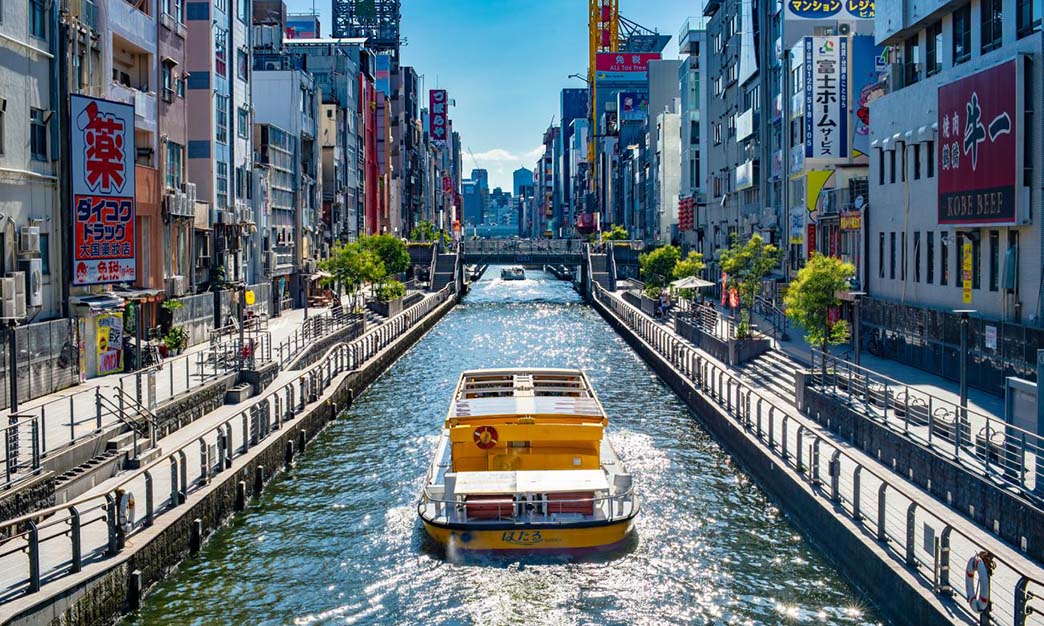
My first stop in Osaka was Dotonbori.
To be frank, I felt a bit of “information overload” when I first walked in. Neon lights, billboards, crowds, and restaurant signs were all packed together, creating an incredibly high visual density.
The famous Glico “Running Man” billboard stands by the canal, and almost everyone stops there for a photo. The bridge was crowded, yet people moved naturally—stopping, walking, and taking pictures—without any sense of tension.
I stood by the bridge for a while, gazing at the water. Despite the surrounding noise, the chaos wasn’t irritating; instead, it exuded a powerful sense of urban vitality.
Later, I wandered into a small takoyaki shop and sat at the counter, watching the owner prepare the food fresh. The sounds of the batter sizzling on the griddle, the motion of brushing on the sauce, and the moment the bonito flakes were sprinkled on—these were simple actions, yet together they created a memorable scene.
In that moment, I realized for the first time that Osaka’s “bustle” isn’t a performance; it is simply everyday life.
II. Osaka Castle Park: Shifting from Noise to Quiet
The next day, I visited Osaka Castle Park.
The contrast between the frenetic pace of Dotonbori and the atmosphere here was striking.
The park is vast and lush with greenery; once inside, the city noise fades significantly. The castle itself is a striking sight, with its white walls and green roof standing out clearly against the sunlight.
I didn’t rush; I simply took a leisurely stroll through the park. Along the way, I encountered quite a few joggers, local families out for a stroll, and tourists snapping photos.
Unlike Dotonbori, this urban space feels more grounded in everyday life. Although Osaka Castle is a historic landmark, the surrounding atmosphere is distinctly lived-in and casual.
I sat by the lawn for a while, gazing at the distant castle walls and the moat, and was struck by a realization: Osaka isn’t just about hustle and bustle; it also possesses a steady, quiet side.
III. Shinsaibashi: The Rhythm of a Shopping District
Shinsaibashi is one of the areas in Osaka where I spent a significant amount of time.
It is a quintessential commercial district, yet unlike the “high-end shopping zones” found in some cities, Shinsaibashi has a more eclectic vibe—brand-name stores, drugstores, snack stalls, and trendy boutiques all mingle together.
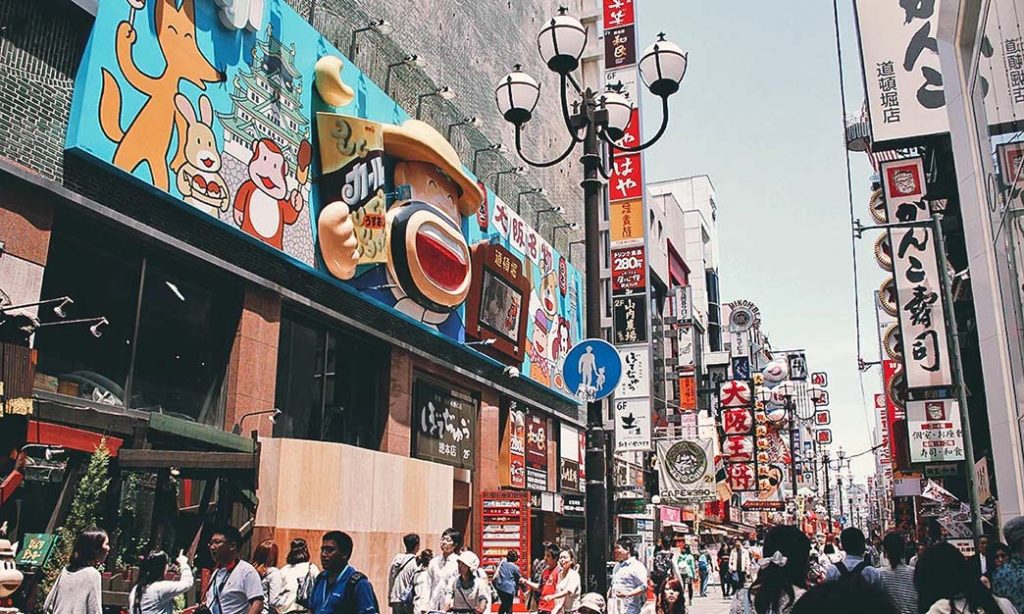
The street is a pedestrian-only zone; while the foot traffic is steady, it never feels overwhelming or claustrophobic.
My activities here were simple: wandering aimlessly, popping into shops, and grabbing a bite to eat.
One standout memory is a crêpe from a small shop; eating it while walking, I could clearly sense Osaka’s “relaxed commercial atmosphere.”
Shopping here isn’t about highly targeted consumption; it feels more like an activity that happens spontaneously along the way.
IV. Kuromon Market: Osaka’s Culinary Everyday
Kuromon Market is a place I really enjoy.
It isn’t as “touristy” as Dotonbori; instead, it feels more like a market where locals shop for their daily food.
Stalls selling seafood, fruit, and prepared foods are packed closely together, and the crowd flows naturally—a mix of tourists and locals.
I had grilled scallops and sea urchin here, both prepared fresh on the spot. The vendors worked quickly, yet their service didn’t feel rushed or perfunctory.
Standing in the market eating, I felt a tangible sense of real life: the food wasn’t merely for display, but a part of daily life being enjoyed in the moment.
V. Umeda: A Different Kind of Urban Modernity
The Umeda area gave me a different impression compared to Shinsaibashi.
It feels more like a fusion of skyscrapers and transportation hubs; the station complex is intricate, yet commercial facilities are highly concentrated. I once viewed the night skyline from the Umeda Sky Building; Osaka’s city lights aren’t particularly flashy or overwhelming, but they are evenly distributed, creating a sense of steady, expansive glow.
Compared to the “intense visual impact” of Dotonbori, the night view here feels more serene.
VI. Namba: Osaka’s “Junction”
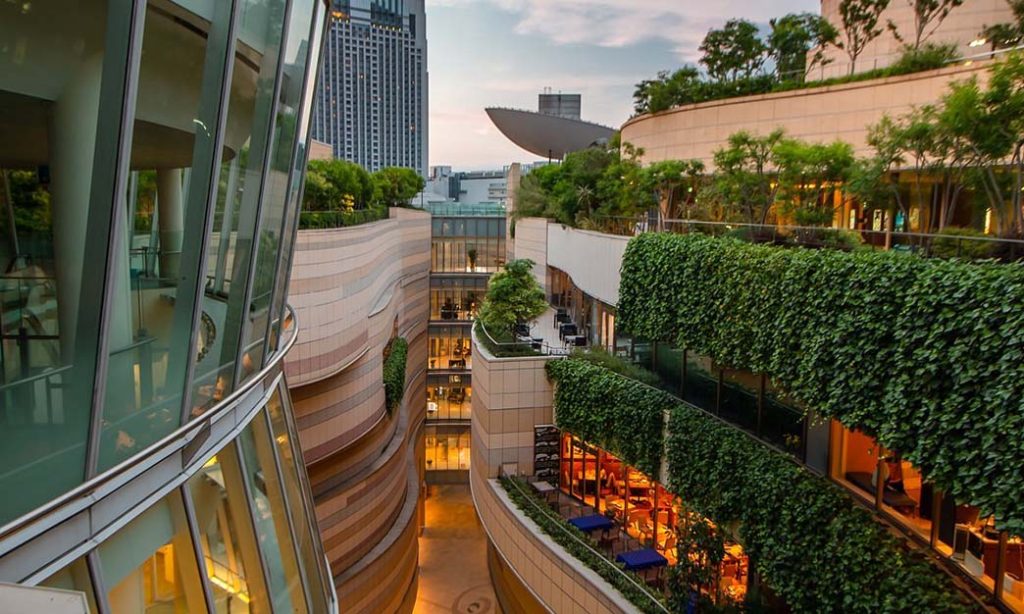
To me, Namba is the district that best embodies Osaka’s “hybrid nature.”
It serves as a shopping district and a transportation hub, while also hosting a multitude of restaurants and entertainment venues.
The atmosphere shifts completely between day and night. During the day, the crowds are driven by commuting and shopping, whereas at night, the area transforms into a center for dining and nightlife.
One of my favorite things to do here is simply wander; you’re bound to stumble upon a new little shop or a fresh streetscape around any given corner.
Osaka—A City That Invites You to Truly Live In It
Reflecting on this trip to Osaka, what struck me most wasn’t any single tourist attraction, but the city’s overall “accessibility”—the way it invites you in. Unlike cities that draw a sharp line between tourism and everyday life, Osaka allows the two to blend naturally.
All these elements come together to form the essence of Osaka.
For me, the greatest takeaway from this trip was realizing that the most moving aspect of a city isn’t necessarily its most spectacular feature, but rather its everyday, ordinary side. Osaka is precisely that kind of city.