 by
by To be honest, before visiting Osaka, my understanding of Japanese cuisine was somewhat “standardized”: sushi had to be refined, ramen rich and intense, and desserts restrained—as if every dish had a fixed “correct answer.”
But once I actually arrived in Osaka, I discovered a completely different logic. The city’s food scene feels like an extension of its character: lively, direct, unpretentious, and deeply rooted in the immediate, on-the-spot experience.
It doesn’t aim for quiet, high-end sophistication; instead, it invites you to enjoy meal after meal amidst the streets, the crowds, and the vibrant, smoky atmosphere of the city.
I. Takoyaki: From a Casual Snack to a “Carefully Hot” Experience
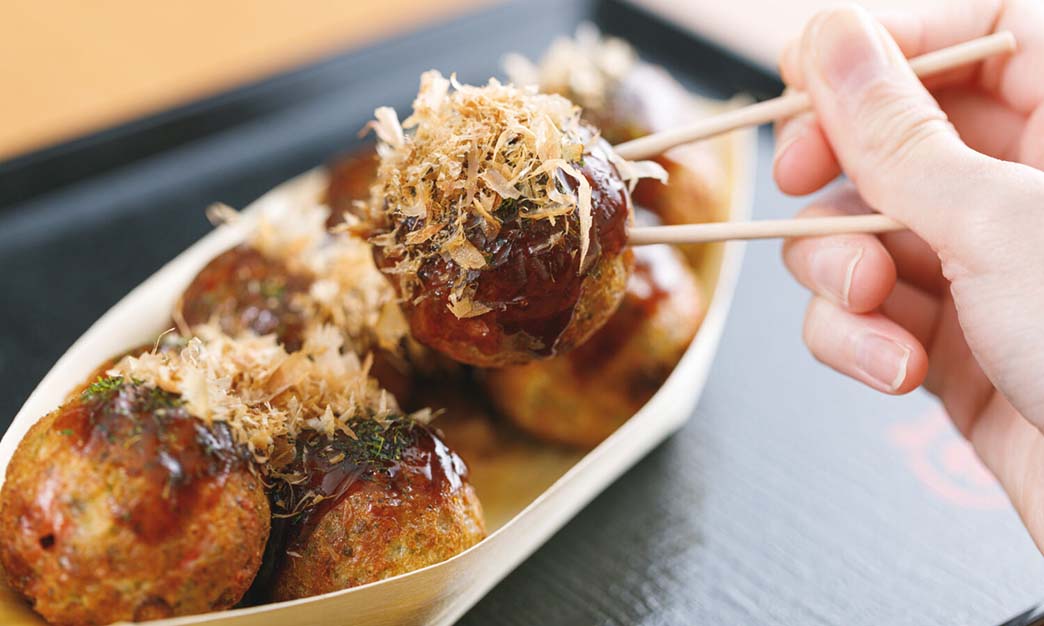
The first thing I ate in Osaka was takoyaki (octopus balls) near Dotonbori.
It looks unassuming, but the preparation process has a distinct rhythm to it.
The vendor flips the little balls one by one on the iron griddle with practiced ease—movements so fluid they seem almost instinctive. Freshly made, the takoyaki are placed in a paper box, generously drizzled with sauce and mayonnaise, and topped with a scattering of bonito flakes.
I nearly burned my mouth on the first bite; that need for caution actually made the experience all the more memorable.
The exterior is slightly crisp, while the inside is incredibly soft—almost molten in texture. The chunks of octopus add a pleasant chewiness, balanced by the sweet-and-salty harmony of the sauce.
It isn’t “fine dining,” yet it makes a bold impression.
More importantly, you eat it right on the street corner; the surrounding flow of people, the neon lights, and the ambient sounds all become part of the experience of that single bite.
II. Okonomiyaki: A Dish You Watch Come to Life
The next day, I went for okonomiyaki (savory Japanese pancake).
This dish is fascinating because the experience begins long before it’s served; you get to witness the entire cooking process.
I sat at the iron griddle and watched the staff layer cabbage, batter, meat, and seafood, then slowly grill it all to perfection.
The process takes time, yet it never feels tedious, as you find yourself constantly anticipating its transformation into the finished dish. When it was finally sliced open, brushed with sauce, and sprinkled with seaweed powder, there was a genuine sense of ritual to the moment.
In terms of texture, it is more substantial than takoyaki yet never cloying. The cabbage adds a refreshing crispness, the batter provides structure, and the sauce forms the flavor’s backbone.
What makes it truly special is the sense of participation—you aren’t merely a bystander; you are a witness to its creation.
III. Dotonbori Ramen: The Definitive Late-Night Choice
One evening in Osaka, I stepped into a ramen shop in Dotonbori.
The area is packed with ramen shops, each touting its own signature broth—whether tonkotsu (pork bone), shoyu (soy sauce), miso, or other styles.
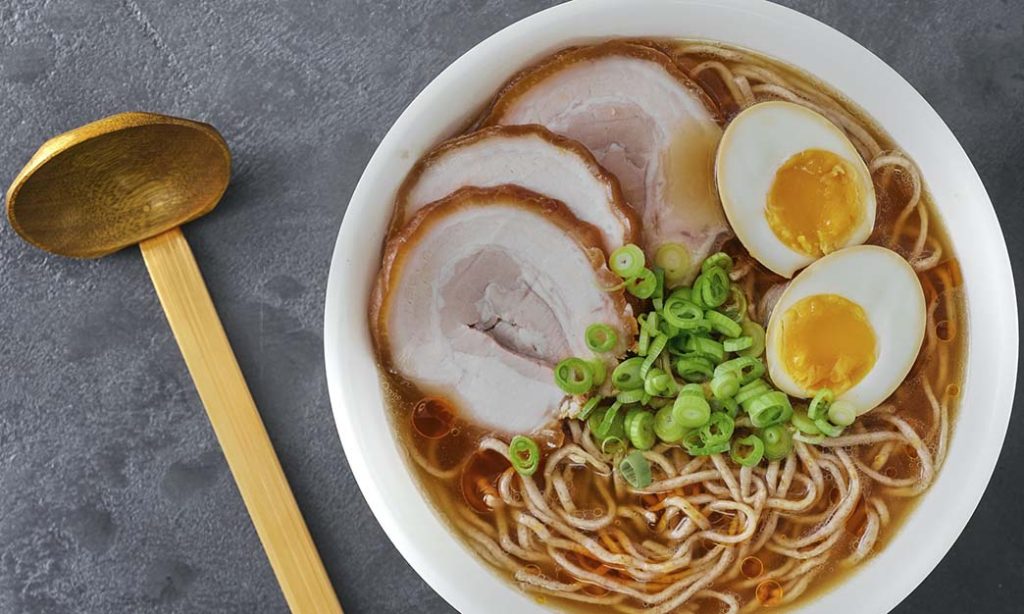
I ordered the tonkotsu ramen.
The broth was incredibly rich; the first sip delivered a distinct savoriness of bone and fat, yet it didn’t feel overly heavy. The noodles were thin yet springy, and the chashu pork was tender and flavorful.
The dining atmosphere was particularly interesting. Outside, the Dotonbori district was a whirlwind of activity—blazing neon lights, surging crowds, and a cacophony of sounds—but the moment I sat down inside the shop, the world fell quiet.
Eating ramen in Osaka felt like more than just a meal; it was a way to bring the night to a satisfying close.
IV. Kuromon Market: Closest to the Essence of Food
Kuromon Market is one of my favorite spots in Osaka.
Unlike the polished commercial districts, this is a dense, authentic market.
Seafood, fruit, and deli stalls sit side-by-side; with every few steps, the aroma in the air shifts.
I enjoyed freshly grilled scallops and sea urchin here.
The scallops were grilled right on the teppan; the moment the sauce was brushed on, a mouth-watering aroma wafted up. The sea urchin was shucked on the spot and eaten immediately.
There was no elaborate packaging or fancy plating—just the food itself, in its purest form.
It was an experience worlds apart from a restaurant meal; it felt more like watching the food come to life.
V. Shinsaibashi: The City’s “Eat-While-You-Walk” Rhythm
Shinsaibashi is a quintessential Osaka shopping district, yet it offers a unique culinary experience. Much of the food here is designed for a “mobile experience”—think crêpes, fried snacks, street bites, and drinks.
I bought a fruit and cream crêpe, which I ate while walking along the street.
The food itself isn’t complex, but it fits the city’s rhythm perfectly: you don’t need to sit down or wait for a full meal; instead, you simply eat naturally as you walk.
Many of Osaka’s desserts follow this same logic—light, quick, and effortless.
VI. The Izakaya Experience: Shifting from the Street to a “Slower Evening”
One evening, I visited a local izakaya (Japanese pub).
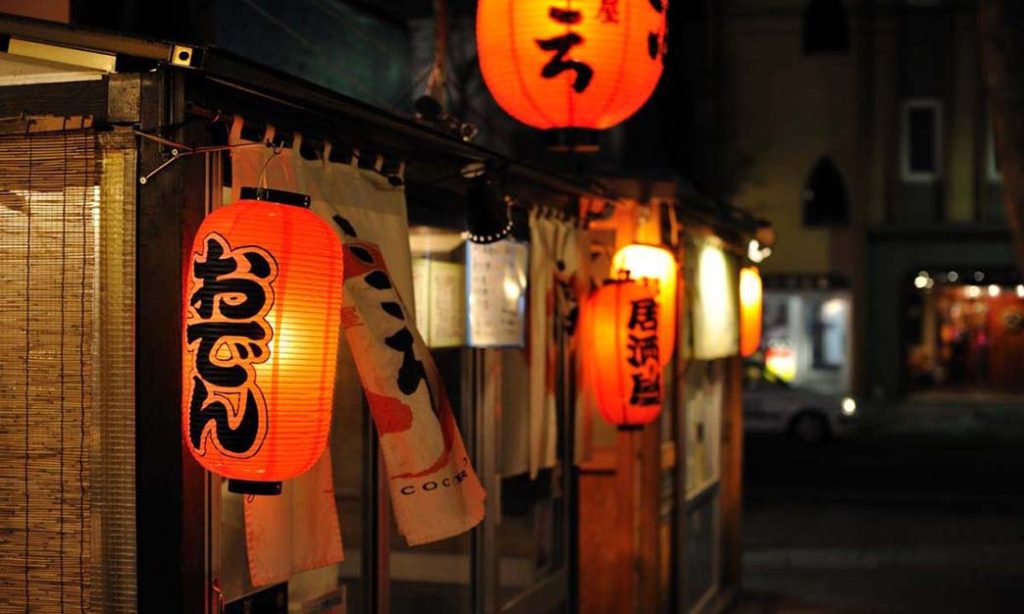
The atmosphere was completely different from the daytime; the lighting was warm, and the hum of conversation was constant yet low-key.
I ordered karaage (fried chicken), yakitori (grilled chicken skewers), edamame, and a beer.
The fried chicken had a crispy exterior and a juicy interior; the yakitori carried the aroma of charcoal, and while the seasoning varied slightly from skewer to skewer, the overall quality was consistently excellent.
The pace of an izakaya is worlds apart from the street; it’s not about finishing a meal quickly, but about lingering and taking your time.
Here, the food serves more as a companion than the main event.
VII. Convenience Store Food: The Most Practical Part of an Osaka Trip
In Osaka, the convenience store network (7-Eleven, FamilyMart, Lawson) plays a vital role.
I didn’t pay much attention to them at first, but I soon realized they were part of so many moments during my trip.
Rice balls, fried chicken, sandwiches, pudding, oden—the variety is vast, and the quality is consistently reliable.
One night, I returned to my hotel late and grabbed some rice balls and fried chicken from a convenience store; the taste was surprisingly good. It wasn’t “mind-blowing” cuisine, but it was dependable.
The Essence of Osaka’s Food Scene is “No Sense of Distance”
Reflecting on my culinary experiences in Osaka, my biggest takeaway is that the food here feels accessible—there is no sense of distance. It doesn’t require you to “get ready” or “switch into a certain mode”; you can start eating whenever you like and stop whenever you please.
Put it all together, and that is Osaka.
For me, the biggest shift from this trip was realizing that great food isn’t just about the taste—it’s about the rhythm of the city in which you eat it. Osaka is a city that turns the act of eating into life itself.