 by
by To be honest, before visiting Koh Samui, my impression of the place was quite straightforward: an island destination defined by resorts, hotels, swimming pools, and sunsets.
However, upon arrival, I discovered that Koh Samui is not merely a “one-dimensional resort island.” Instead, it functions more like an integrated system of diverse coastlines, mountain roads, and scattered towns. You aren’t tethered to a single central hub; rather, you constantly shift between different areas, each offering a unique experience.
My trip focused on exploring beaches, viewpoints, and the island’s interior. I didn’t rush through a packed itinerary; instead, I embraced a relaxed approach to soak in the island’s rhythm.
I. Arrival in Koh Samui: The “Vacation Mindset Shift” Begins at the Airport
Upon landing at Samui International Airport, my first impression was that it was unlike any typical international airport.
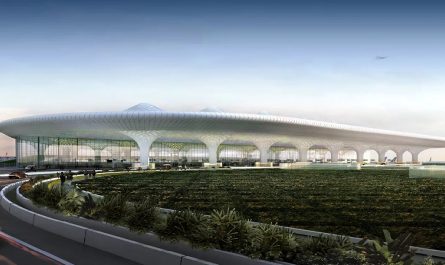
The airport features an open-air design with many semi-exposed areas; the moment you step off the plane, you can feel the shift in humidity and temperature characteristic of the tropics. There are no complex indoor corridors—it feels more like stepping directly into an island environment.
On the drive from the airport to my hotel, I began to notice a distinct transformation: coconut trees became more plentiful, roads narrowed, buildings grew lower, and advertisements faded away, allowing nature to reclaim the view.
Although the journey was short, it served a crucial purpose: shifting my mindset from an “urban state” to an “island state.”
II. Chaweng Beach: Experiencing the Island’s Vibrant Energy
My first stop on Koh Samui was Chaweng Beach.
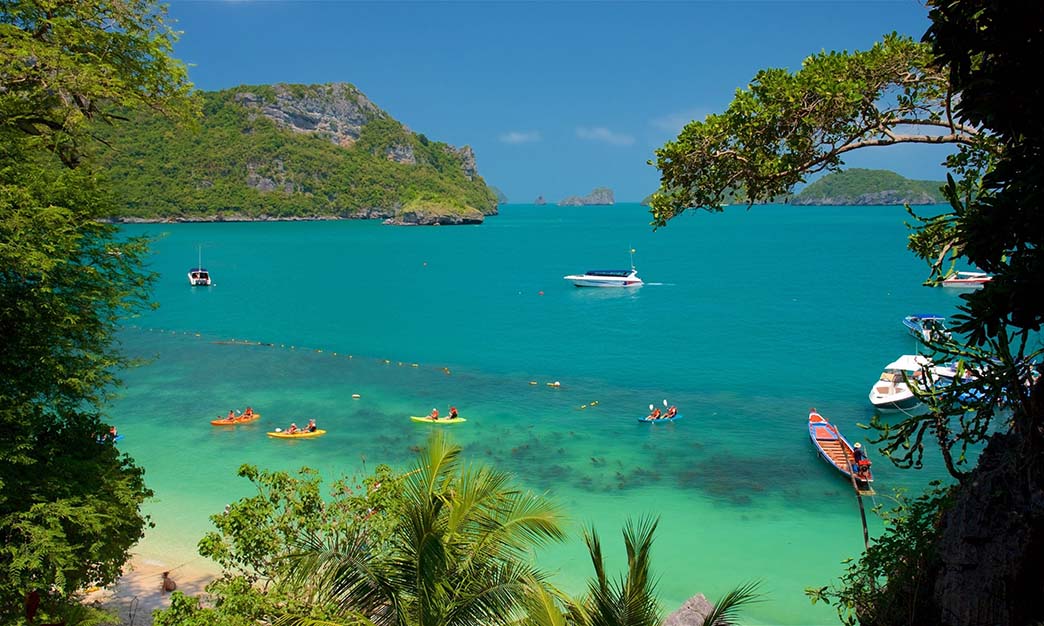
It is arguably one of the liveliest areas on the island. The beach stretches for a long distance, the water is a pale blue, and the overall atmosphere is quintessentially “resort-style.”
As I walked toward the water, I was struck by the sense of openness—a seamless stretch of sand, waves, bars, and restaurants lining the shore.
During the day, the scene is a blend of sunshine, sea, and lounge chairs. Many people simply relax or swim right on the beach. The pace is leisurely—not the silence of total isolation, but the relaxed, contented vibe of people unwinding. The transformation at night is striking; once the lights come on, the beachfront comes alive with music, dining, and strolling pedestrians.
This stop gave me a vivid sense of one of Koh Samui’s defining characteristics:
It can be either tranquil or bustling, depending entirely on when you visit.
III. Lamai Beach: A more laid-back, natural stretch of coast
The second beach I visited was Lamai Beach.
Compared to Chaweng, the vibe here is noticeably more relaxed; there are fewer crowds, and the overall atmosphere feels closer to that of an unspoiled natural beach.
The sands are wider, the sound of the waves is clearer, and the surrounding commercial development is less dense.
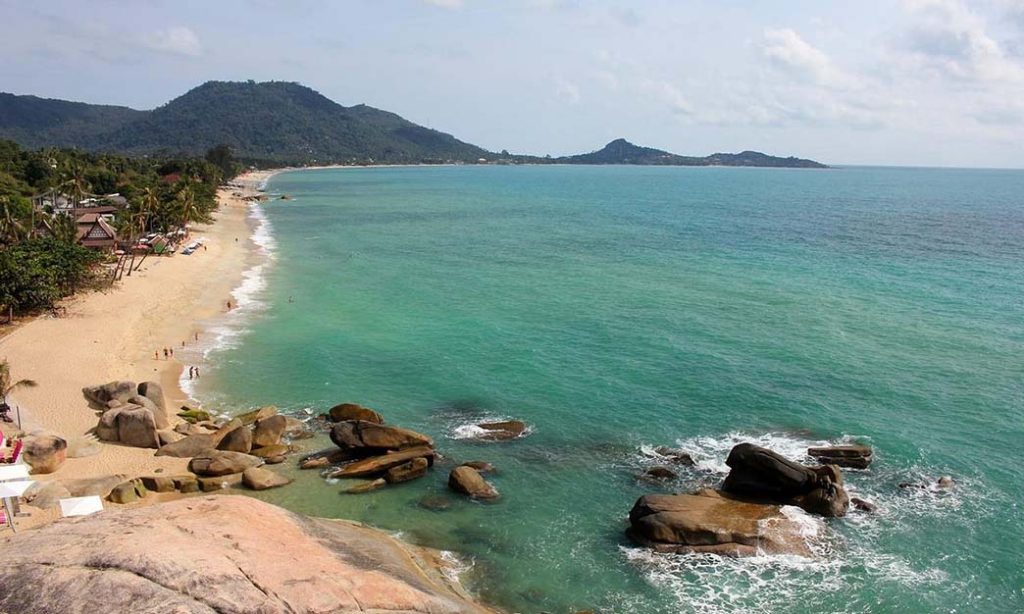
I spent quite a bit of time here, mostly taking leisurely walks along the shoreline.
One distinct impression was a diminished sense of time. You aren’t constantly driven by a schedule of “activities”; instead, it is easier to simply settle in and linger.
This spot feels like a “buffer zone” on Koh Samui—a transition point between the island’s bustling areas and its quieter corners.
IV. Hin Ta Hin Yai (Grandfather and Grandmother Rocks): A natural site blending geology and legend
One of Koh Samui’s famous natural attractions is Hin Ta Hin Yai (Grandfather and Grandmother Rocks).
At its core, it is a coastal rock formation, but its unique shapes—combined with local legends—have turned it into a popular small-scale tourist spot.
I didn’t have high expectations when I arrived, but standing at the edge of the rocks looking out at the sea, I came to view the site more as a showcase of natural geological forms.
Waves constantly crash against the rocks; while there weren’t many tourists around, most visitors didn’t stay long.
My takeaway from this stop was that Koh Samui’s attractions don’t rely on complexity, but rather on the raw forms of nature itself.
V. Chaweng Viewpoint and mountain roads: Another side of the island’s topography
Beyond the beaches, I also drove along some of the island’s mountain roads and visited various viewpoints.
A unique feature of Koh Samui is that, despite being an island, it has a distinct mountainous interior, with roads winding around both the hills and the coastline.
Driving along these mountain roads offers constantly shifting vistas: forest on one side, and the sea on the other. There are several viewpoints offering a full view of the bay’s layout; looking down from above, the beach stretches out in a graceful arc.
This part of the trip made me realize that Koh Samui is not merely a “collection of beaches,” but an island with a layered character.
VI. Bophut Beach & Fisherman’s Village: A More Lived-In Vibe
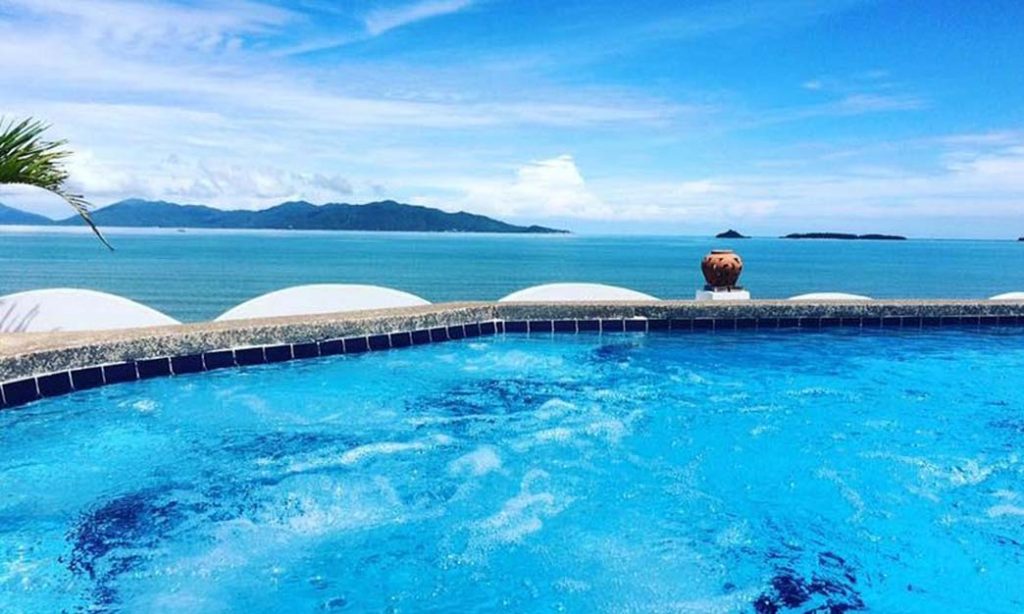
Later, I visited Bophut Beach and Fisherman’s Village.
The atmosphere here is completely different from Chaweng; it feels more like a local town where people actually live.
The beach itself isn’t as bustling, but the restaurants and pedestrian streets are more concentrated.
When the lights come on at night, the ambiance softens—offering a kind of “slow-paced nightlife.”
I didn’t do much here other than stroll around and soak in the distinct feel of the area.
This stop revealed a more “residential” side of Koh Samui—showing it to be more than just a typical tourist island.
The Essence of Koh Samui Isn’t Its Attractions, but Its “Ability to Shift Rhythms”
Reflecting on my entire trip to Koh Samui, my biggest takeaway is this: it isn’t a destination driven by specific tourist attractions, but an island defined by shifts in pace.
It is the combination of these elements that creates the overall Koh Samui experience.
For me, the most important realization was this: on Koh Samui, travel isn’t about “where you go,” but “what rhythm you inhabit.” It isn’t a place for ticking boxes on a sightseeing list, but a place for shifting your state of mind.