 by
by To be honest, when I first chose hotels in Osaka, my approach was purely functional: I looked for places that were cheap or conveniently located. However, after actually staying there, I realized that a hotel is more than just a place to sleep; it largely determines which “version” of Osaka you experience each day.
The same city feels boisterous in Dotonbori, rational in Umeda, fluid in Namba, immersive near Universal Studios, and returns to the essence of everyday life deep within the back alleys.
On this trip, I stayed at five different types of hotels in Osaka, each acting like a “switch” that transported me into a completely different state of the city.
I. Dotonbori Hotel: Plunging Straight into the Neon Lights on the First Night
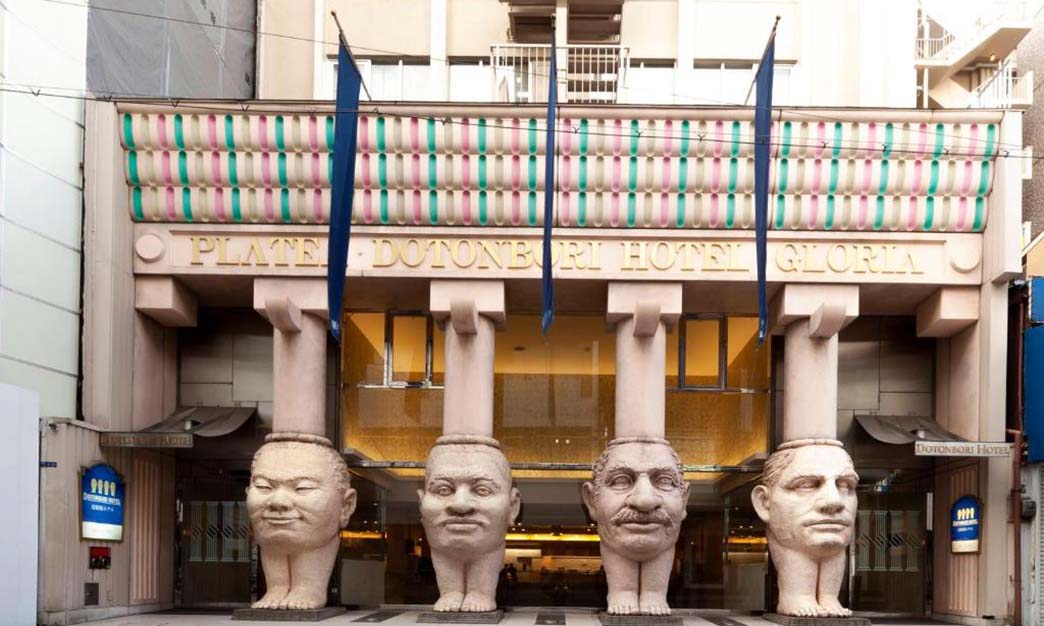
I chose my first hotel near Dotonbori.
Dragging my luggage to the hotel, I hadn’t quite settled into “travel mode” yet, but stepping outside immediately pulled me into the city’s energy—neon lights, billboards, the canal, and restaurant signs were all packed together, creating a scene of intense visual density.
The hotel itself was a standard urban business hotel; the room wasn’t large, but it was spotless and the layout was highly practical. Many hotels in Osaka prioritize function, ensuring no space goes to waste.
Its most obvious advantage was the location. Just a few steps from the hotel at night brought me to the Dotonbori Canal, where the lights and crowds never seemed to stop.
Standing by the window and watching the street scene that night, I had a distinct feeling:
You aren’t just “staying in Osaka”; you are “surrounded by Osaka.”
II. Namba Hotel: High-Efficiency Living at a Transport Hub
For my second stop, I moved to the Namba area.
If Dotonbori is a zone of “emotional explosion,” then Namba is a “connectivity hub.”
Its defining characteristic is that everything moves fast.
Subways, the Nankai Electric Railway, shopping malls, and dining areas are all concentrated in one place, making travel incredibly convenient. Hotels here are usually close to the station, allowing you to step out and enter the transit network within minutes.
The room featured the typical high-efficiency Japanese design: compact yet fully functional, with enough space to fully open a suitcase and a bathroom layout that was tight but not cramped. My biggest takeaway here was how effortless it was to navigate between different parts of the city.
If I wanted to go to Shinsaibashi, I walked; for Umeda, I took the subway; for the airport, I hopped straight onto the Nankai Line.
That night helped me grasp a core structural aspect of Osaka:
Namba isn’t just a tourist attraction; it is a vital node in the city’s network.
III. Umeda Hotel: A Rational Side of Osaka
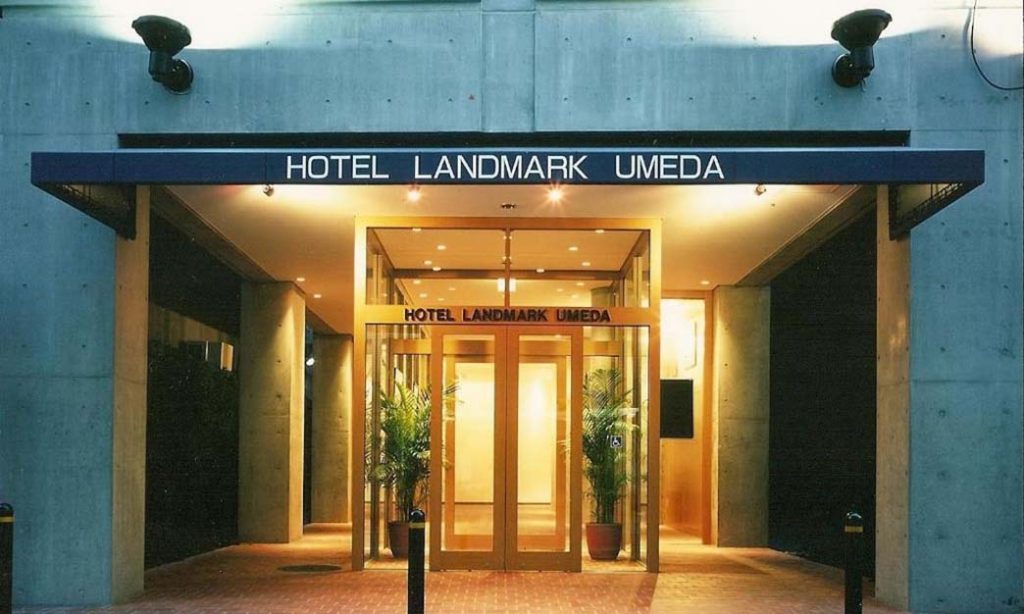
The third hotel was located in Umeda.
My first impression of Umeda was that it was “complex yet orderly.” The station complex is like a labyrinth, but once you get the hang of it, the logic becomes crystal clear.
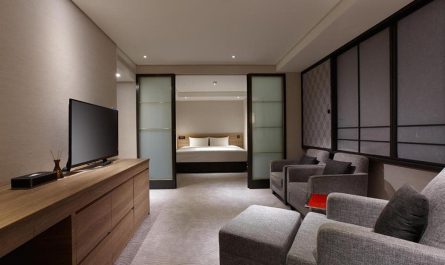
The hotel itself leaned towards the upscale business category; the spaces were more generous than the previous two, and the lighting was softer.
What left the deepest impression on me was gazing at the Osaka skyline from my room at night.
Umeda’s night view isn’t an “exaggerated sea of city lights”; instead, it features a remarkably even, steady, and layered lighting structure—skyscrapers, traffic flows, and commercial districts spread out like an unfolded map.
Osaka felt composed that night.
There was none of Dotonbori’s clamor or Namba’s restless movement; instead, there was a distinct sense of a “structured city.”
IV. Universal Studios Hotel: Switching from City to Entertainment World
For the fourth hotel, I stayed near Universal Studios Japan (USJ).
The atmosphere here was completely different—it felt like an entirely “separate system.”
The hotel was clearly resort-style: the rooms were more spacious, the décor more relaxed, and the service was geared entirely toward the tourist experience.
The most noticeable shift was the pace.
The day at USJ was packed with high-intensity entertainment—queuing, rides, and immersive scenes—while the return to the hotel at night offered total relaxation.
The area was quiet, completely detached from the frenetic rhythm of the city center.
There was a distinct sensation:
You weren’t just traveling through a city; you were switching into a “themed world system.”
V. Shinsaibashi Boutique Hotel: A Night Closest to Everyday Life
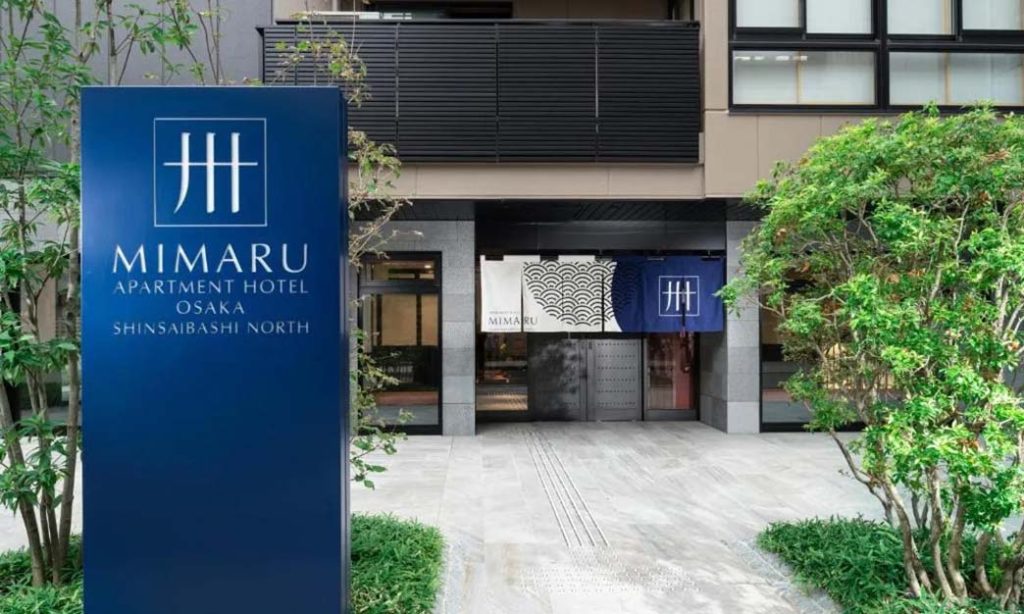
For my final night, I stayed at a small boutique hotel near Shinsaibashi.
Compared to the previous hotels, this one felt much more grounded in “real life.”
The space was compact, yet the design details felt warm—soft lighting, high-quality textures, and an overall atmosphere that lacked the coldness of a typical business hotel.
Most importantly, there was the location. Step out of the hotel and you are right in the Shinsaibashi shopping district—a hub for shopping by day, and a place for street food and leisurely strolls by night.
I hadn’t planned any itinerary for the evening; I simply wandered and ate whatever caught my eye.
In this relaxed state, you can clearly sense another side of Osaka:
It isn’t a city designed merely for tourists to look at, but a place where real people live their lives.
Six—or rather, five—hotels, representing five different sides of Osaka
After staying at these five hotels, a clear pattern emerged:
Dotonbori: Osaka at its most emotionally intense
Namba: Osaka as a hub of transport and connectivity
Umeda: Osaka defined by order and structure
Universal Studios: Osaka as a realm of immersive entertainment
Shinsaibashi: Osaka as a place of everyday life
These aren’t just “different districts,” but distinct functional facets of the city.
Wherever you stay, you naturally experience the specific character of that area.
Your hotel choice shapes the version of the city you see
After this trip to Osaka, my perspective on choosing a hotel has completely changed.
I used to view it merely as a matter of cost and location, but now I see it as choosing a “perspective on the city.”
Because you aren’t just booking a hotel; you are making a choice:
You are deciding how you want to understand the city.
That is what makes Osaka so special—it allows you to engage with it in so many different ways.
And the hotel is simply one of those entry points.